This Week in Social AI (Feb 16, 2024 edition)
February 17, 2024—Sora, AI spies, TikTok gen AI and more: Here's what you need to know about social media+AI this week.
1️⃣ OpenAI unveiled Sora, its text-to-video model. With only a few lines of prompting, Sora can generate realistic-looking videos.
My take: OpenAI just put every business that relies on video on notice. It's a gamechanger for creators and a worrisome new wrinkle for social media AI content moderation. It may only be a demonstration as of now, but Sora is absolutely mindblowing.
2️⃣ Bad actors used AI-generated profiles on Meta's properties to target and obtain personal information from activists, journalists and dissidents in Mongolia, Azerbaijan and Kazakhstan.
Forbes reports that the fakes pretended (may be paywalled) to be journalists, protesters, and young women to entice targets to click on links or fake news content, which would then prompt them to reveal information like their email address or phone number.
My take: Meta is playing whack-a-mole here, just as it has done with content moderation. This sort of problem will continue to crop up on social platforms, since bad actors are some of the most sophisticated users of AI.
3️⃣ TikTok's Creative Assistant AI is now part of Adobe Express.
Brands and agencies that use Adobe Express can research top-performing ads, get inspiration for visuals or ad copy or have the assistant draft a script for the ad.
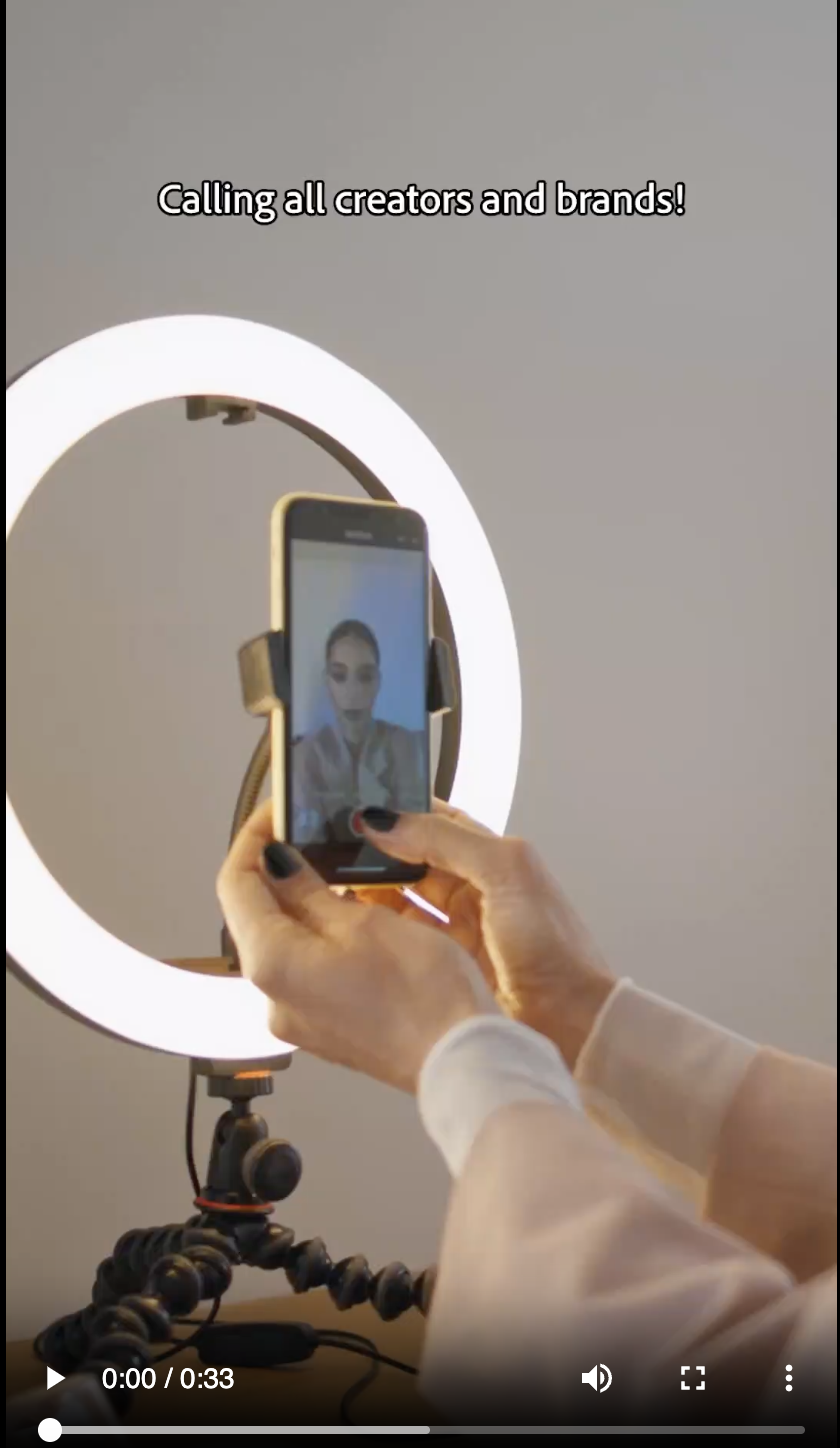
Video demonstrating Creative Assistant in Adobe Express. Source: TikTok
My take: Creative development was one of the earliest marketing-related use cases for generative AI, and this could help jumpstart the idea.
4️⃣ Microsoft, OpenAI, Adobe, Google, TikTok and other big tech firms are coming together to identify, label and remove AI content from bad actors.
The companies announced details of their agreement on Friday at the Munich Security Conference.
My take: While an agreement to work together is a good sign, the proof will be in the actions, not just the agreements.
📊 Datapoint of the Week
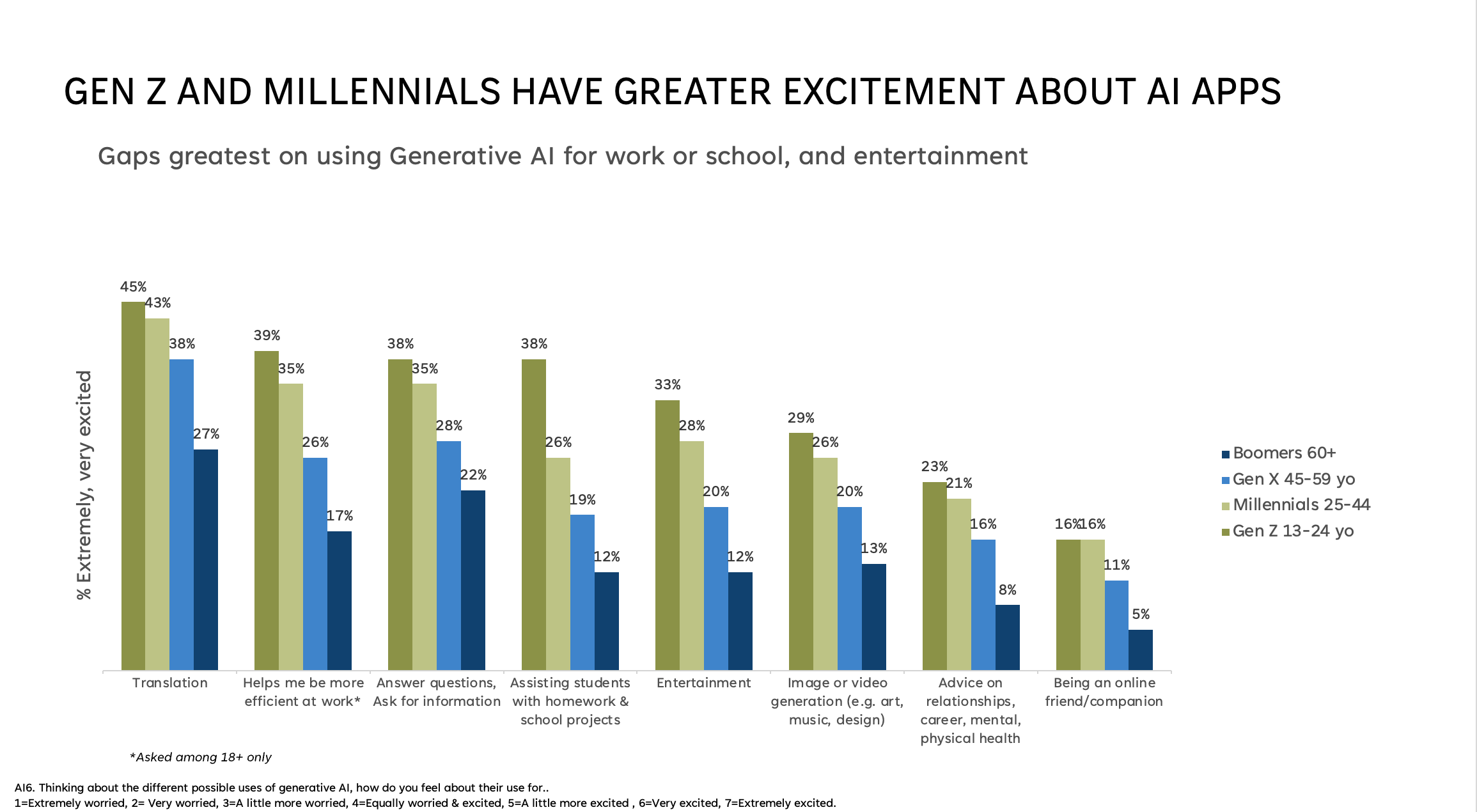
According to Microsoft's Global Online Safety Survey 2024, one-third of worldwide Generation Z internet users are excited about using generative AI for entertainment.
Source: Microsoft